168.1.1dlink D-Link Router Login and Configuration Guide

The guide on 168.1.1 D-Link router login and configuration outlines a practical approach to securing and optimizing the device. It covers accessing the router, changing default credentials, and tuning wireless and LAN settings, with emphasis on a stable channel, appropriate bands, and essential firewall rules. It also addresses enabling a guest network and parental controls for balance. The steps are straightforward but leave room for the reader to apply them to their specific model and network environment.
How to Access the D-Link Router Login
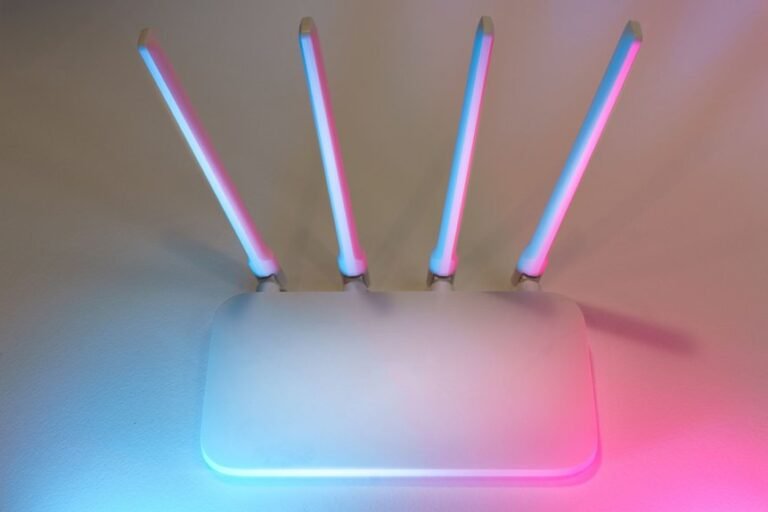
To access the D-Link router login, connect a device to the router’s network via Wi-Fi or an Ethernet cable, then open a web browser and enter the router’s default IP address (commonly 192.168.0.1 or 192.168.1.1).
The process emphasizes access password awareness and hardware optimization, enabling secure but streamlined login without unnecessary steps.
Change the Default Password and Keep It Secure
Changing the default password is essential for securing the router. Effective password management requires selecting a unique, strong combination and updating it promptly. Implement secure authentication by enabling access controls and periodic changes. This practice enhances network security while preserving user access convenience. Document credentials securely, avoid reuse, and monitor for unauthorized login attempts to sustain continuous protection.
Tuning Wireless and LAN Settings for 168.1.1 Networks
Tuning wireless and LAN settings for 168.1.1 networks builds on securing access by configuring the router’s radio and wired interfaces for optimal performance and reliability. This procedure evaluates network topology, selects a stable wireless channel, and aligns band settings with device capabilities. It emphasizes minimal interference, balanced throughput, and clear administrative control while preserving freedom to customize future expansions.
Basic Firewall, Guest Network, and Parental Controls Essentials
The Basic Firewall, Guest Network, and Parental Controls Essentials section explains core protective features and their practical deployment on a D-Link router. It describes firewall rules, guest network isolation, and parental controls setup with clear steps. It presents an unrelated topic as a comparison to illustrate limits, and notes an offbeat idea for flexible access, while maintaining security and freedom.
Frequently Asked Questions
How to Reset the Router to Factory Defaults Without Losing Setup?
A factory reset cannot be done without losing the current setup; however, a backup can be created first. To proceed, perform a standard factory reset, then reconfigure, and execute a password reset for security after restoration.
Can I Backup and Restore Router Configuration Files?
Yes, a backup file can be created and used in the restore process; store it securely. The procedure emphasizes a concise, secret topic approach, enabling freedom seekers to implement the backup file and restore process without hassle.
How to Update Firmware Manually via USB or Local Drive?
The update process via USB or local drive requires downloading the firmware, selecting Firmware, choosing Update from Storage, and confirming; ensure security updates are applied promptly, preserve settings where advised, and reboot to complete installation.
What VPN Options Are Supported by the 168.1.1 D-Link Router?
Are VPN options supported by the router compatibility? The device offers multiple VPN options, including PPTP, L2TP/IPsec, and OpenVPN, depending on model. Users should verify firmware and configuration steps for precise router compatibility and secure access.
How to Monitor Connected Devices and Data Usage in Real Time?
To monitor connected devices and data usage in real time, navigate the router’s interface for device discovery, then view monitoring latency, bandwidth usage, and real time alerts to stay informed and preserve network freedom.
Conclusion
In the quiet hum of a secured network, the user stands at the gateway, a digital locksmith with a confident click. Default keys become memory, replaced by a fortress of unique credentials. Wireless and LAN align like calibrated instruments, channels tuned, bands matched to devices. A careful firewall, a guarded guest space, and parental levers keep the home’s traffic in harmonious order. With steps completed, the network breathes easier: safe, organized, and reliably online.