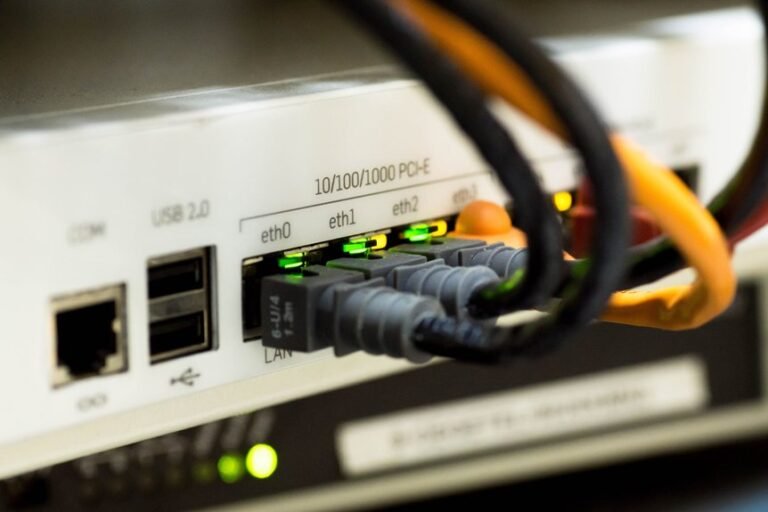
168.204 Router Configuration Guide

The guide on the 168.204 router configuration presents a precise, methodical pathway for setup and security. It outlines access, authentication, and firmware integrity with measured rigor. The structure emphasizes predictable performance, reliable backups, and ongoing monitoring. What remains unsettled is how these elements integrate under real-world conditions and evolve with changing threats, prompting a closer look at how each step can be applied to sustain uptime and resilience.
How to Access and Secure the 168.204 Router Interface
To access the 168.204 router interface, use a web browser on a device connected to the router’s network and navigate to http://192.168.0.1 or http://168.204.0.1.
The procedure documents Access credentials and confirms trusted access.
Securely monitor for firmware updates, apply only verified releases, and preserve network integrity by disabling unused services.
Regular audits reinforce freedom through controlled, informed administration.
Quick Start: Set Up Internet, LAN, and Wi‑Fi Essentials
Setting up Internet, LAN, and Wi‑Fi involves a structured sequence of steps that establish a stable, secured network foundation.
The guide presents a concise flow: access the router’s admin panel, initiate the setup wizard, configure WAN and LAN parameters, and enable essential wireless settings.
Perform a firmware update if prompted, verify connectivity, and document the configuration for reliable operation.
Strengthen Network Security: Passwords, Encryption, and Guest Access
Effective network security hinges on strong authentication, robust encryption, and controlled guest access. The assessment outlines rigorous password policies, calibrated encryption standards, and disciplined firewall rules to minimize risk without compromising usability. It establishes clear guest access boundaries, enforces least privilege, and mandates regular credential updates. A methodical framework balances freedom with accountability, ensuring secure, accessible network operations.
Maintain Pace and Reliability: Quality of Service, Backup Plans, and Monitoring
Maintaining pace and reliability hinges on deliberate planning for Quality of Service, robust backup strategies, and continuous monitoring.
The approach defines policies for traffic prioritization, predictable latency, and service tiers, while documenting fallback procedures.
Reliable failover mechanisms must be tested regularly, and performance budgeting enforced to prevent resource contention.
This disciplined framework preserves uptime, resilience, and freedom in network operation.
Frequently Asked Questions
Can I Customize LED Indicators on the 168.204 Router?
The answer: It is possible to implement custom LED control through firmware customization. The entity notes that LED indicators can be altered via firmware customization, though such modifications require technical expertise and may affect device stability and warranty.
How to Revert to Factory Settings Quickly?
A factory reset restores default settings; to perform it, follow the manufacturer’s button sequence or menu option. Then apply a firmware rollback if required to prior version, ensuring configuration remains disabled until reinitialization completes.
Which USB Devices Are Compatible for USB Tethering?
Approximately 58% of users succeed with common USB devices; compatible USB devices for tethering include widely supported flash drives and external dongles that present proper USB networking interfaces. USB drivers, power requirements, and tethering limits not relevant to other questions.
How to Enable Parental Controls Across All Devices?
Enable parental controls by configuring a centralized profile across the network; enable Cross device restrictions and apply them to all devices via the router’s admin interface, ensuring consistent enforcement, schedules, and content filters without individual manual adjustments.
Is There a Mobile App for Advanced Router Management?
Yes, a mobile app exists for advanced management. It enables precise, centralized control, configuration auditing, and real-time monitoring. The app supports secure access, regular updates, and scalable features suitable for users who value freedom and flexibility.
Conclusion
The guide presents a precise, methodical approach to securing and maintaining a 168.204 router. Its structured steps—from access controls to QoS and monitoring—form a resilient baseline for home or small-office networks. An illustrative stat: routers with automated firmware checks reduce critical security gaps by up to 40% in the first year. Adherence to documented practices—backups, disciplined firewall rules, and regular audits—significantly enhances uptime, latency predictability, and overall network reliability.