192,168,2,1 Router Login and Network Configuration Guide

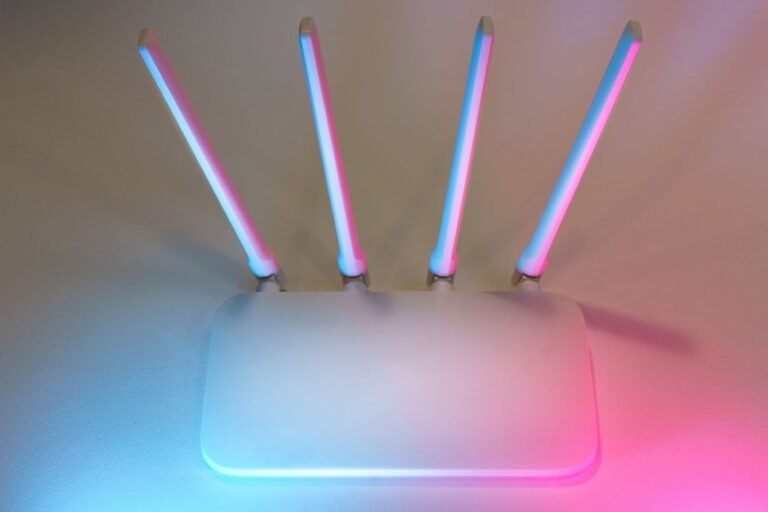
Access to the 192.168.2.1 admin page begins with a device on the local network and a browser directed to http://192.168.2.1. Credentials authorize control over the router and network settings. Subsequent steps cover unique SSID creation, strong encryption, and segregated guest access, followed by deliberate firewall rules, port forwarding, and parental controls. The framework emphasizes auditable configurations, regular firmware updates, and documented backups, yet practical gaps remain that warrant careful, structured exploration beyond initial setup.
How to Access the 192.168.2.1 Admin Page
Accessing the 192.168.2.1 admin page requires a device on the local network with a web browser. The user opens a browser, enters http://192.168.2.1, and waits for the login interface. Credentials are entered, and the administrator gains configuration access. The process emphasizes autonomy, clarity, and reliable control: 192.168.2.1 access, admin page.
Secure Your Wi‑Fi: SSID, Passwords, and Encryption Settings
To secure a wireless network, configure the SSID to reflect the network’s identity and distinguish it from others, set a strong, unique password, and apply appropriate encryption.
The guide emphasizes secure guest networks, device isolation, and precise firewall rules for traffic control.
Consider port forwarding needs, while enabling parental controls as a measured default, scalable security posture supporting freedom and accountability.
Fine‑tuning Network Rules: Firewall, Port Forwarding, and Parental Controls
Fine-tuning network rules requires a precise balance of security, accessibility, and manageability. The guide emphasizes a disciplined firewall posture, clear port forwarding rules, and targeted parental controls, avoiding blanket blocks. Network segmentation isolates sensitive devices, while guest networking limits exposure. Configurations should be auditable, reversible, and sector-neutral, ensuring predictable behavior, minimal latency, and straightforward policy updates for administrators.
Keep It Healthy: Firmware Updates, Backups, and Troubleshooting
Keeping a router running reliably hinges on disciplined maintenance: firmware updates, regular backups, and systematic troubleshooting. The guide emphasizes timely firmware updates to mitigate vulnerabilities, disciplined backups for quick recovery, and structured troubleshooting to minimize downtime. Practices include verifying integrity, documenting changes, and test restores. Emphasis on network security and device prioritization ensures stable performance without compromising flexibility or user autonomy.
Frequently Asked Questions
Can I Access the Router From a Guest Network?
Access from a guest network is typically restricted; routers implement access restrictions and guest isolation to prevent inter-network visibility. However, depending on configuration, admin interfaces may be reachable locally, requiring explicit policy allowances or bridge/simple routing exceptions.
How Do I Reset to Factory Defaults?
Factory reset returns device to default settings; this will affect all networks including guest network access. Reset to factory clears custom configurations, passwords, and routes. Use caution; preserve needed defaults, then reconfigure securely, then enable guest access.
What Internet Service Types Are Supported?
The question: Internet service types supported depend on device capabilities and regional infrastructure; generally, broadband, fiber, DSL, and wireless options are supported. Internet requirements include compatible modem/ONT, and security considerations emphasize robust authentication, encryption, and firmware updates for resilient connectivity.
How Do I Change the Router’s Hostname?
The approach juxtaposes rigidity and autonomy: to change hostname, access admin settings, locate device branding, modify the hostname field, apply changes, and reboot if required; this clarifies router branding while preserving network stability and user freedom.
Can I Disable WPS and Why?
Disabling WPS is possible; it reduces convenience but improves router security implications by eliminating a vulnerability pathway. The device should rely on WPA2/WPA3 and strong passphrases. Freedom-driven networks value robust security over ease of access, always.
Conclusion
As the final page loads, the network hums with quiet certainty. Each setting, from the SSID to the firewall, has been tuned with disciplined precision, leaving little to chance. Yet behind the logs, a hint of unknown traffic flickers—an assignment for the next maintenance window. Firmware edge cases and backup verifications await, ready to surface if missteps occur. In this deliberate balance of access and protection, the system holds steady, and the administrator waits, listening for the first sign of anomaly.