168.1.55 Router Admin Login Guide

Understanding how to access a 168.1.55 router’s admin interface is essential for secure home networks. The guide covers locating the default IP, credentials, and a secure connection, then logging in to review the dashboard, devices, and basic settings. It emphasizes security, performance, and planned firmware updates, plus keeping a concise change log. The next steps offer concrete actions to implement now while leaving room for potential issues and fixes that must be addressed promptly.
What Is the 168.1.55 Router and Why Access Matters
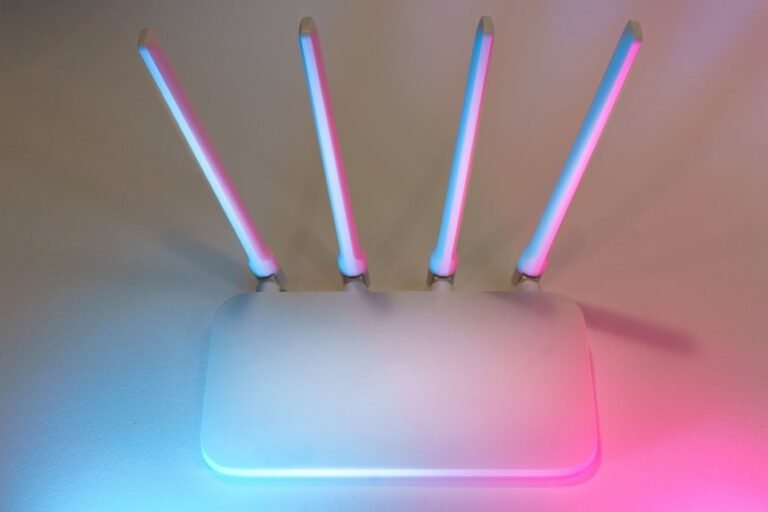
The 168.1.55 router is a consumer-grade networking device that manages home or small-office internet connections. It anchors local networks, enabling wired and wireless access while routing traffic efficiently. Access matters because control over settings determines performance, privacy, and security. Users should monitor network security and implement firmware updates to sustain protection, stability, and freedom from external threats. Regular maintenance ensures reliable connectivity.
Find the Default IP, Login Credentials, and How to Connect Securely
To access the router’s admin interface, users should locate the device’s default IP address, verify the default login credentials, and establish a secure connection method. This basic overview highlights how to find the IP, confirm credentials, and use encrypted access.
Avoid common pitfalls such as weak passwords, unencrypted networks, and outdated firmware to ensure reliable, freedom-driven security.
Step-by-Step Admin Login and Dashboard Overview
Navigating the 168.1.55 router’s admin login proceeds in a clear sequence: open a web browser, enter the device’s IP address, and submit the default credentials on the login page.
The dashboard loads with essential sections visible: status overview, connected devices, and basic settings.
Two word discussion ideas emerge, providing freedom: efficiency, control.
Irrelevant to other sections.
Secure, Optimize, and Troubleshoot After Login
After gaining access, users should immediately verify security settings, optimize performance, and establish troubleshooting paths to prevent future issues.
The guide emphasizes secure networking practices, disabling unused services, and robust password policies.
Prioritize firmware updates, enable auto-update where possible, and monitor for anomalies.
Maintain a concise log of changes, and document recovery steps to ensure rapid restoration and continued network freedom.
Frequently Asked Questions
How Often Should I Change the Router Admin Password?
Answer: It should be changed every 90 days. A security audit and routine firmware update schedule supports this practice, reducing risk and ensuring ongoing access control. This approach aligns with a freedom-friendly stance while maintaining robust network security.
Can I Access the Admin Page From a Mobile Device?
Coincidentally, yes: a mobile device can access the admin page. The admin page overview shows responsive interfaces; ensure secure network, enable HTTPS, and use a strong password. Mobile access requires proper username, password, and updated firmware for freedom.
What if the Default IP Is Unreachable?
If the default IP is unreachable, the network administrator should verify connectivity, check router indicators, confirm correct subnet, and use an alternative management method; avoid unrelated topic speculation and off topic speculation when diagnosing access issues.
How Do I Reset the Router to Factory Settings?
To reset the router to factory settings, press and hold the reset button for 10–15 seconds until lights flash. After resetting, perform a firmware update to ensure security and stability. Reset button returns defaults; then update firmware.
Is Two-Factor Authentication Supported for Admin Login?
Two factor authentication is not supported for admin login on this device. The system relies on a single strong password for admin login, and users should enable robust password practices and regular changes to maintain security.
Conclusion
In the end, the 168.1.55 router becomes a trusted gatekeeper—when accessed correctly, it yields calm, reliable connectivity. By confirming the default IP and credentials, establishing a secure connection, and methodically reviewing the admin dashboard, users maintain control without chaos. A well-documented change log guides recovery, while targeted optimizations and timely firmware updates prevent drift. The journey is a steady heartbeat of security and performance, gently reminding readers that vigilance is the best default. Metaphorically, vigilance is the shield.