19216868.1 Router Login and Configuration Guide

Access to the 19216868.1 router page requires a direct, controlled connection and correct addressing. The guide outlines a methodical sequence for verifying access, securing credentials, and configuring wireless and guest segments. It emphasizes ongoing monitoring and firmware discipline as core practices. The discussion leaves open questions about specific RBAC availability and optimal parental controls, inviting further scrutiny of options and real-world implications for reliability and security.
How to Find and Access the 19216868.1 Login Page
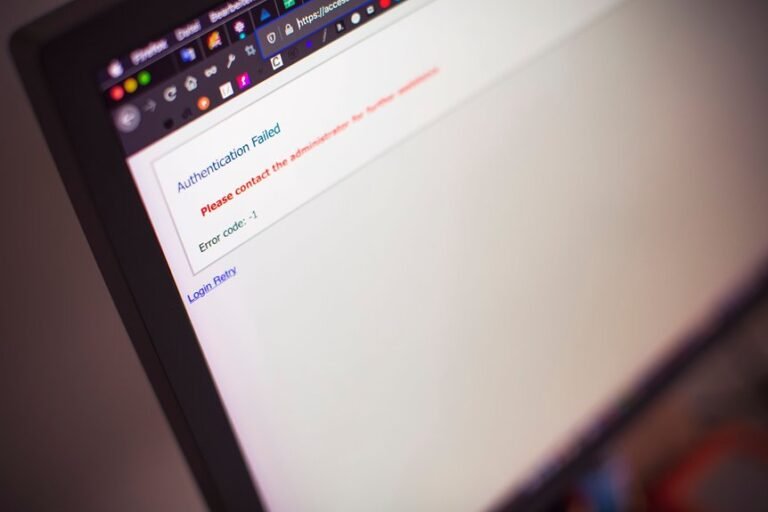
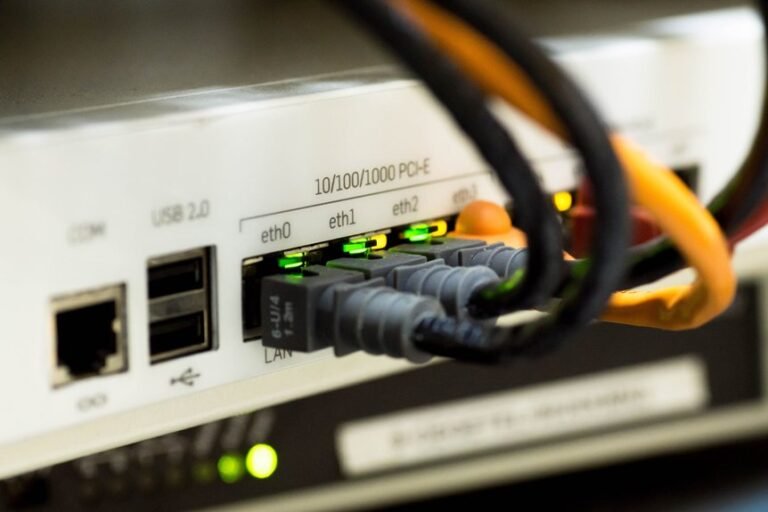
To locate the 19216868.1 login page, begin by ensuring the device is connected to the router either via Ethernet or a secure Wi-Fi network.
The process emphasizes finding router address through network settings, then accessing login page with correct credentials.
Post-access, set up admin privileges and configure guest network for controlled, freedom-respecting access.
Secure Your Router: Change Passwords and User Access
After gaining access to the router interface, it is important to immediately establish strong access controls. Administrators should enforce unique, complex passwords for all accounts and disable default credentials. Implement role-based access where possible, log events, and rotate credentials periodically.
Consider network architecture implications and enable parental controls to constrain device activity without compromising overall security. Maintain disciplined, auditable configuration changes.
Set Up Wi‑Fi: Names, Passwords, and Basic Security
Setting up Wi‑Fi requires selecting a unique network name (SSID), a strong passphrase, and a clear security posture to protect both the network and connected devices. Administrators implement clear SSID naming, robust encryption, and guest network separation. Regular security audits verify settings and exposure. Wireless etiquette guides access control, minimizes interference, and preserves shared spectrum for legitimate clients and freedom-loving users.
Maintain Performance: Firmware Updates, Best Practices, and Troubleshooting
Maintaining router performance hinges on timely firmware updates, adherence to best practices, and systematic troubleshooting. Regular updates reduce vulnerabilities and improve stability. Implement a firmware rollback plan to recover from failed upgrades, and maintain hardware redundancy to ensure availability during maintenance. Document procedures, monitor logs, test configurations, and verify connectivity after changes to ensure consistent, reliable network operation.
Frequently Asked Questions
Can I Use a Guest Network With 192.168.68.1?
A guest network can be configured on that router; access requires router login. The process involves enabling guest Wi-Fi, setting restrictions, and securing with a strong password. Users should follow methodical steps for safe, controlled, freedom-friendly connectivity.
How to Reset Router to Factory Defaults?
A clockwork hush settles as the router is reset to factory defaults. The reset procedure erases settings, restoring the device to factory reset state; then guests networks, parental controls, and configuration options must be reapplied with precision.
How to Configure Parental Controls and Access Limits?
Parental controls and access limits can be configured via the mobile app or web interface, applying schedules, content filters, and restrictions; enable guest network isolation, monitor activity, and ensure remote management is secured, performing a factory reset if needed.
Is There a Mobile App for Router Management?
Yes, a mobile app exists for router management, enabling remote control, monitoring, and settings updates; users should verify compatibility with their model, ensure secure login, and perform firmware updates regularly to maintain performance and security.
How to Enable Remote Management Securely?
Remote management can be enabled securely by configuring a secure login, enabling HTTPS, and restricting access via firewall rules. The system should enforce strong credentials, rotate keys, and monitor logs to maintain controlled, auditable remote access.
Conclusion
In sum, a disciplined approach to 19216868.1 governance yields reliable, secure networking. The guide emphasizes accessing the router correctly, enforcing strong credentials, and segmenting networks to minimize risk. Regular firmware updates, event logging, and RBAC-ready configurations underpin resilience, while prudent parental controls and guest networks preserve usability. With clear change documentation and rollback plans, administrators maintain visibility and control. Stay vigilant and patient—success hinges on steady, methodical maintenance rather than quick fixes. Bottom line: preparation prevents outages.