168.0.175 Router Configuration and Network Guide

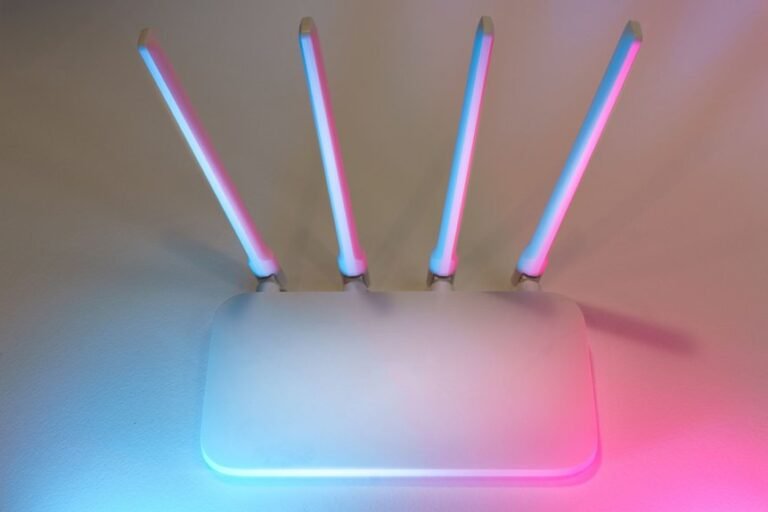
The 168.0.175 Router Configuration and Network Guide presents a structured approach to secure home or small-business networks. It outlines accessing the admin interface, onboarding devices, and validating firmware. Emphasis is placed on robust Wi‑Fi settings, clear network mapping, and an auditable security baseline. Ongoing maintenance covers updates, parental controls, and practical fixes with minimal downtime. The framework invites careful implementation and consistent discipline, inviting the reader to consider gaps and next steps before proceeding.
How to Access the 168.0.175 Admin Interface
To access the 168.0.175 admin interface, begin by ensuring the device is connected to the router’s network via Ethernet or a wireless connection. The procedure requires entering the default gateway URL, then supplying access credentials.
Update router firmware if prompted, verify firmware version, and confirm secure login. Proper configuration reduces vulnerabilities and supports reliable administration.
Set Up Wi‑Fi: SSID, Security, and Password Best Practices
Setting up Wi‑Fi involves selecting an appropriate SSID, implementing robust security settings, and establishing a strong password policy to prevent unauthorized access.
The procedure emphasizes clear SSID security practices, disabling unnecessary broadcast options when appropriate, and applying WPA3 where available.
Emphasis on password hygiene includes unique, lengthy phrases, regular rotation, and avoiding reuse across devices or services for freedom‑driven resilience.
Build a Simple Network Map and Security Baseline
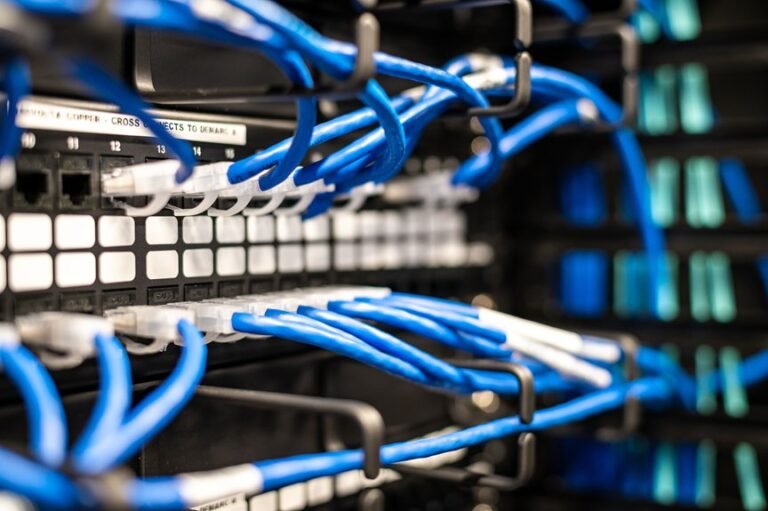
A simple network map provides a clear layout of connected devices, their interdependencies, and the data flows between segments.
The approach emphasizes a disciplined baseline: document network segmentation boundaries, assign non-overlapping roles, and verify access controls.
Maintain a current device inventory, update assets, and validate risk exposure.
This method supports auditable security posture and scalable, freedom-respecting growth.
Maintain and Troubleshoot: Updates, Parental Controls, and Common Fixes
Regular maintenance and troubleshooting for the 168.0.175 router combines systematic updates, parental-control configuration, and common corrective steps to maintain network integrity. The approach emphasizes a disciplined updates cadence, enabling timely security patches and feature enhancements. Parental controls gap assessment identifies coverage shortfalls, guiding precise policy tuning. Troubleshooting procedures prioritize reproducible steps, minimal downtime, and documented configurations for rapid restoration and ongoing reliability.
Frequently Asked Questions
What Is the Default Login Username for the Router?
The default login is device-dependent; after a factory reset, the user generally encounters the default login credentials specified by the manufacturer. It is recommended to consult the documentation. This enables secure access and preserves freedom to configure settings.
How Do I Reset the Router to Factory Settings?
A recent study shows 62% of users benefit from simplified reset processes. The unit performs a reset procedure that restores factory settings, clears custom configurations, and enables a Guest network with a Separate password at boot.
Can I Set Guest Wi‑Fi With Separate Password?
Yes, a guest network with a separate password can be configured; enable guest access, set a distinct password, and apply parental controls to limit bandwidth and device access, preserving freedom while segregating devices.
How Do I Port Forward for Gaming or Servers?
Port forwarding basics: identify the local device’s IP, choose a TCP/UDP port, configure the router’s port forwarding rule, and test; for gaming server tips, assign a static IP, enable UPnP if needed, and monitor latency for freedom.
What Bandwidth Is Supported on 2.4ghz Vs 5GHZ?
The bandwidth depends on the band: 2.4 GHz generally supports up to 600 Mbps theoretical with multiple non-overlapping channels, while 5 GHz offers higher rates. This affects bandwidth compatibility and wireless performance for freedom-seeking setups.
Conclusion
The guide emphasizes disciplined, repeatable processes for securing and managing small networks. By documenting devices, applying WPA3, and minimizing SSID exposure, administrators reduce attack surface while preserving usability. A notable stat: networks with documented inventories show 30–40% faster incident response and fewer misconfigurations. The conclusion reinforces reproducible workflows, regular firmware updates, and clear access controls as core practices. Together, these elements enable predictable maintenance, reduced downtime, and stronger overall resilience for home or small-business environments.