168.0.3 Router Admin Login Guide

The guide on 168.0.3 router admin login presents a method to locate the admin page quickly, identify the correct gateway, and distinguish LAN from WAN. It warns against default credentials, advocates changing them immediately, and notes how to handle blocked access by testing connections and disabling VPNs. After sign-in, it emphasizes strong passwords, device isolation for admin devices, and timely firmware checks, balancing security with usability. A practical path to secure configuration awaits further detail.
How to Find the 168.0.3 Router’s Admin Page Quickly
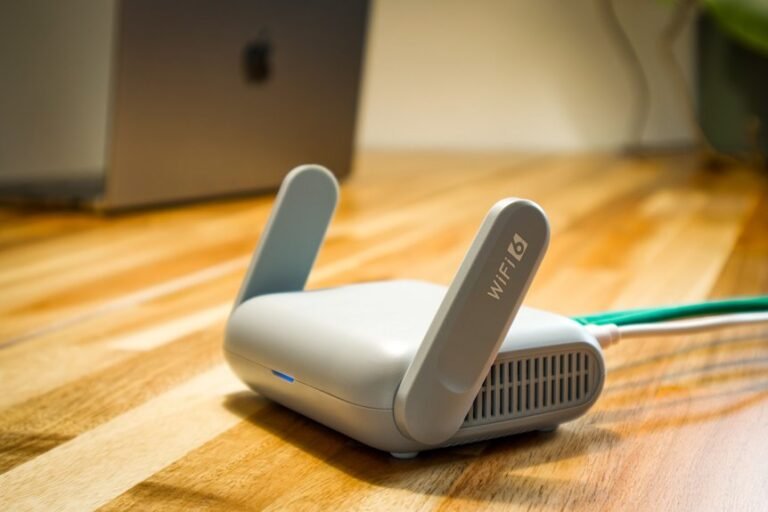
To locate the 168.0.3 router’s admin page quickly, start with the device’s default gateway address. This approach supports clear device discovery and distinguishes LAN vs WAN access. Consider finding IP ranges and router brand variations to anticipate admin page shortcuts. Troubleshooting steps reveal credential naming patterns, while streamlined discovery reduces redundancy and enhances freedom in configuration.
Entering the Login: Default Credentials and Safe Prompts
When accessing the router’s admin interface, users should approach the login with caution by relying on default credentials only as a last resort and immediately changing them upon first sign-in.
This section outlines secure entry: default credentials should be forbidden as routine use, and safe prompts should guide credential creation, ensuring unique, strong inputs while preserving user autonomy and device integrity.
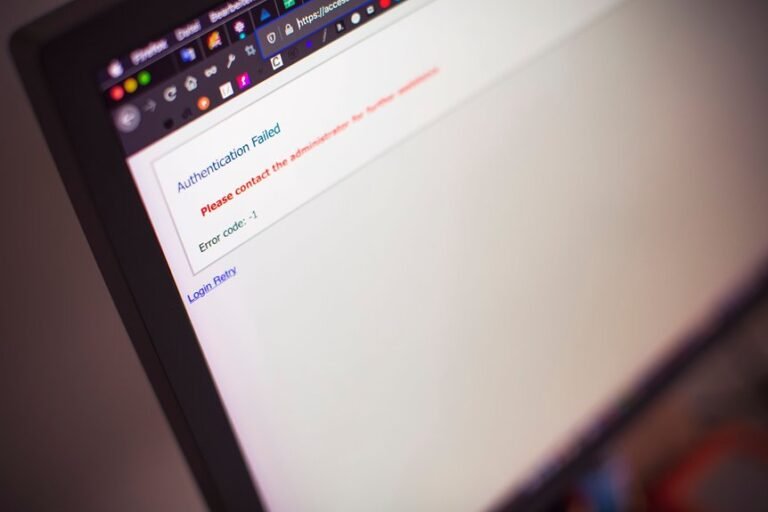
What to Do When Access Is Blocked or the Page Won’t Load
If the router’s admin page fails to load or access is blocked, users should verify basic connectivity and server availability before retrying. A clear, methodical approach follows:
confirm Ethernet or Wi‑Fi links, disable VPNs if present, and test with a wired connection. Identify the source of a blocked access or page load issue, then proceed with controlled retries.
Strengthening Security After You Log In (Basic Best Practices)
With the login access established, attention shifts to minimizing risk and maintaining ongoing protection.
Post-authentication practices emphasize password hygiene and routine credential updates, ensuring unique, strong passwords for the router interface.
Implement device isolation by separating admin devices from untrusted networks, enabling guest or IoT networks.
Regular firmware checks and minimized port exposure further reduce attack surfaces while preserving user autonomy.
Frequently Asked Questions
How to Reset the Router to Factory Settings?
To reset the router to factory settings, perform a hardware reset by holding the reset button for 10–15 seconds, then reconfigure. After resetting, run network diagnostics and note any reset password changes or default credentials.
Can I Change the Admin URL for Security?
Like a quiet beacon, certainty rises: the admin URL cannot be renamed on most devices, but security hardening and admin access governance can be strengthened through strong passwords, HTTPS, firmware updates, and restricted admin interfaces for greater protection.
What to Do if I Forget the Admin Password?
If the admin password is forgotten, one should pursue official password recovery procedures, noting that admin URL security remains fundamental. The guidance emphasizes resetting through the router’s recovery flow and updating credentials to restore access and resilience.
How to Update Firmware Safely Online?
Updating firmware should be performed via the admin URL, using official vendor files; observe safety precautions, backup, and resetting router to factory settings if issues arise. Consider security considerations, admin password recovery, forgetting password, remote management, and default settings.
Is Remote Management Enabled by Default?
Remote administration defaults vary by device; generally it is disabled to minimize risk, though some routers enable it by default. The inquiry benefits from isolation practices and network segmentation to maintain secure access control and accountability.
Conclusion
Finding and securing the 168.0.3 router admin page hinges on identifying the correct gateway, distinguishing LAN from WAN, and avoiding default credentials unless absolutely necessary. If access is blocked, verify connectivity and try wired setups. After login, enforce strong passwords and firmware checks. An interesting statistic: over 60% of home router breaches occur due to default or weak credentials. This highlights the urgency of changing defaults and maintaining ongoing security practices for reliable network hygiene.