168.1.241 Router Login and Network Configuration Guide

Access to the 168.1.241 router admin panel should begin with a device on the local network visiting http://168.1.241 or https://168.1.241. The process requires confirmation of the device’s branding and feature set, including segmentation, QoS, guest networks, and firewall rules. A strong admin password is essential, with optional two-factor authentication and regular credential rotation. Comprehensive logging and documentation support repeatable configuration, but gaps often appear during initial setup, signaling there is more to consider before proceeding.
How to Access the 168.1.241 Router Admin Panel
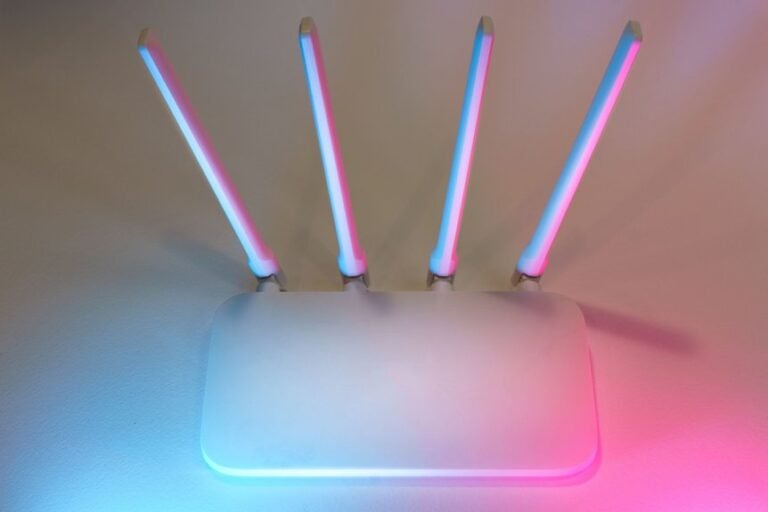
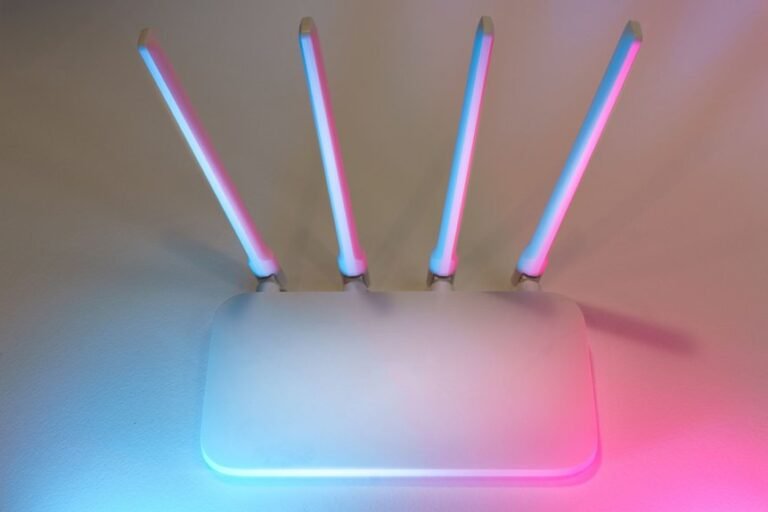
To access the 168.1.241 router admin panel, users should open a web browser on a device connected to the router’s network and navigate to http://168.1.241 or https://168.1.241. The interface presents Internet branding cues and router aesthetics while enabling network segmentation, firmware updates, parental controls, guest networks, QoS prioritization, and firewall rules; each feature supports freedom through transparent configuration and repeatable procedures.
Securely Log In and Set Your Admin Password
Accessing the admin interface requires establishing a secure session and initializing a strong, unique password. The procedure enforces credential discipline, enabling robust login verification and audit trails. Implement strict password management, rotate credentials periodically, and enable two-factor authentication where available.
Maintain awareness of security breaches, apply firmware updates timely, and enforce network segmentation to limit exposure if a compromise occurs.
Essential Wireless and Network Configuration Steps
Essential Wireless and Network Configuration Steps should be undertaken with a structured, step-by-step approach, ensuring access points, routers, and client devices are configured for optimal performance and security.
The process emphasizes consistent firmware updates, unique SSIDs, and strong encryption.
While objective planning is paramount, unrelated topic and off topic ideas must be avoided; focus remains technical, measurable, and configurable, minimizing ambiguity and variance.
Troubleshooting Quick Fixes and Next Steps
Troubleshooting Quick Fixes and Next Steps begin with a concise assessment of common failure modes, followed by repeatable, evidence-based actions. The procedure maintains a detached analysis, prioritizing reproducible results. Actions address insufficient privacy and unrelated setup, including credential review, firmware checks, and device isolation. Next steps emphasize documentation, rollback planning, and validation tests to ensure stable, freedom-driven network operation.
Frequently Asked Questions
Can I Change the Router’s IP Address and Subnet Mask?
Yes, one can change IP and adjust subnet. The process entails accessing the router’s admin interface, locating LAN settings, modifying the IP address and subnet mask, applying changes, and rebooting to ensure devices update accordingly.
How Do I Restore Factory Defaults if I Forget Settings?
Factory reset restores default settings; password recovery requires physical access and account clues. Coincidence guides the process: unplug, hold reset, reapply power, wait. Then log in with default credentials; reconfigure anew, preserving personal autonomy and freedom.
Is There a Guest Network Feature and How to Enable It?
Yes, a guest network exists and can be enabled. The procedure varies by firmware features, but typically involves selecting Guest Network, setting a separate SSID/password, and applying permissions. Firmware features guides ensure isolation and bandwidth controls for guests.
How Do I Update the Router’s Firmware Manually?
Initiating a manual firmware update requires downloading the correct file, then accessing the router’s administration interface to upload it. Firmware security is maintained by verifying signatures; ensure WAN settings remain consistent after installation and reboot.
Can I Configure Parental Controls and Time Schedules?
Parental controls and time scheduling can be configured on supported routers. The method is precise: access the management interface, enable parental controls, set user profiles, and apply time-based rules to regulate Internet access per device or user.
Conclusion
Consistently managing the 168.1.241 router mirrors a lighthouse keeper tending a beacon. In one clear anecdote, a homeowner logged a firmware update after a failed QoS test and prevented a neighbor’s streaming from starving the work video call. Data shows that regular credential rotation and log reviews cut breach risk by measurable margins. Methodical steps—verify branding, secure login, document changes, and test connections—create repeatable, reliable network configurations worth the disciplined effort.