168.0.197 Router Configuration and Admin Access Guide

The guide on 168.0.197 router configuration offers a structured approach to admin access and security. It outlines steps to reach the admin panel, create strong credentials, and maintain firmware updates with rollback options. It stresses documenting changes and preserving firewall integrity. The discussion covers port forwarding, guest access, and parental controls in a careful, deliberate manner. It leaves essential questions unanswered, inviting a closer examination of each safeguard and its practical implications.
How to Access the 168.0.197 Router Admin Panel
To access the 168.0.197 router admin panel, users must connect a device to the router’s network and open a web browser. Access requires authentication prompts to be anticipated, with clear credentials.
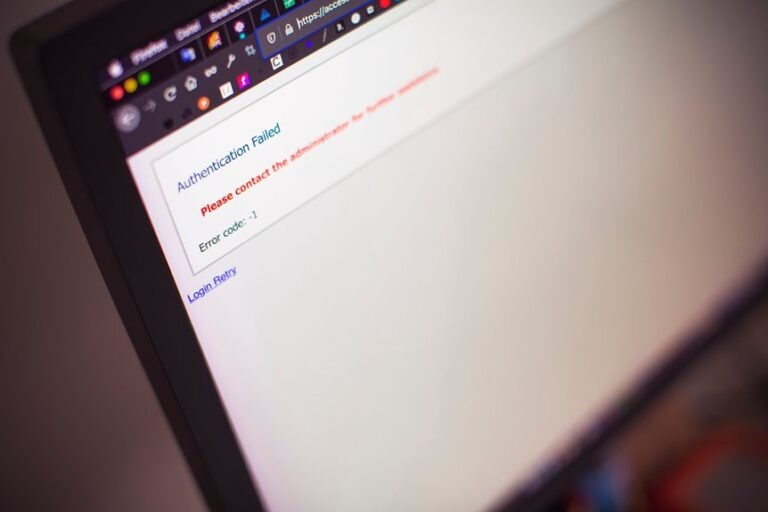
How to reset the router is outlined if login prompts fail, and Troubleshooting login prompts is performed with minimal disruption to ongoing sessions and settings control.
Create Strong Wireless and Admin Passwords for Your Router
Access to the router’s admin interface requires strong authentication to prevent unauthorized changes. The section describes creating robust wireless and admin passwords with a disciplined approach, emphasizing memorability without compromise.
Choose unique passphrases, avoid default credentials, and enable automatic renewal reminders. For freedom-minded users, balance security and convenience. two word discussion idea1, two word discussion idea2.
Update Firmware and Secure Your Network Settings
Firmware and security rely on timely updates and careful configuration. The process outlines verified firmware sources, schedules, and rollback plans to maintain control. Post-update checks confirm functionality, latency impact, and firewall integrity. If issues arise, a firmware rollback restores prior settings while preserving essential configurations. Documented changes minimize reflected latency and support resilient, freedom-driven network administration.
Set Up Port Forwarding, Guest Access, and Parental Controls
Setting up port forwarding, guest access, and parental controls is approached with a precise, methodical sequence to maintain security while enabling targeted network functionality.
The guide outlines deliberate configuration steps, clarifying roles for devices and users, and documenting settings to prevent misconfigurations.
Topic ideas emphasize minimal exposure; awareness of security pitfalls helps sustain controlled access without compromising performance or freedom.
Frequently Asked Questions
How to Diagnose Common WAN Connectivity Issues Beyond Login?
Diagnostic logging reveals failures; WAN diagnostics assess link integrity, DHCP, DNS, and MTU. The approach is precise and methodical, ensuring security while preserving freedom: isolate, reproduce, and verify symptoms before applying targeted, minimally invasive fixes.
Can I Backup and Restore Router Configurations Offline?
Yes, it is possible. A cautious administrator can perform a backup offline and later restore offline, addressing objections about security and reliability by emphasizing offline storage, encryption, and integrity checks in a precise, methodical, freedom-conscious procedure.
Does the Router Support Guest Network Bandwidth Limits?
The router supports guest network with bandwidth limits, allowing controlled access. It also ensures firmware updates, and parental controls can be configured to maintain security and privacy for users who seek flexible, regulated network freedom.
How to Reset Forgotten Admin Credentials Without Factory Reset?
A careful reset procedure is unavailable without factory steps; manual recovery requires credentials or vendor support. This procedure carries security implications, as improper access could expose configuration. It remains precise, methodical, and secure, aligning with users who seek freedom.
Is There a Mobile App for Remote Router Management?
A mobile app exists for remote management, enabling secure access to router settings. It supports real-time monitoring, remote updates, and alerts, with strong encryption and multi-factor authentication. Users gain flexible control while maintaining privacy and safety.
Conclusion
A disciplined, methodical approach to router security mitigates risk and enhances control. By confirming admin access only from trusted devices, enforcing unique, rotating credentials, and applying timely firmware updates, networks remain resilient. An intriguing statistic: default router credentials are still exploited in a surprising percentage of home breaches, underscoring the need for strong passwords and monitoring. When configuring port forwarding, guest networks, and parental controls, documentation and rollback plans ensure swift recovery from misconfigurations.