168.141 Router Login and Configuration Guide

The guide on the 168.141 router login and configuration presents a clear, structured path to secure access and stable performance. It starts with locating the default gateway and confirming connectivity before login. It then outlines strong authentication, WPA2/3, and prudent guest access. Essential steps cover Wi‑Fi bands, QoS, and parental controls, followed by monitoring status indicators and firmware updates. The discussion invites further examination of each module to ensure repeatable, reliable operation.
How to Find Your 168.141 Router Login Page
Locating the 168.141 router login page involves identifying the device’s default gateway address. The process is systematic: consult device documentation, inspect connected network properties, and verify the gateway. Once located, enter the gateway URL in a browser.
Two word discussion ideas emerge: router login, firmware updates, guiding users toward straightforward access and informed configuration.
Secure Your Network: Passwords, WPA2/3, and Guest Access
With access to the router obtained, securing the network becomes the next priority. The approach emphasizes strong passwords, WPA2/3, and prudent guest access. Key concepts include network topology awareness, timely firmware updates, and disciplined wireless security practices. Implement device zoning to limit exposure, and routinely audit connected devices, ensuring resilient, freedom-based control without sacrificing clarity or simplicity.
Essential Configuration: Wi‑Fi Bands, QoS, and Parental Controls
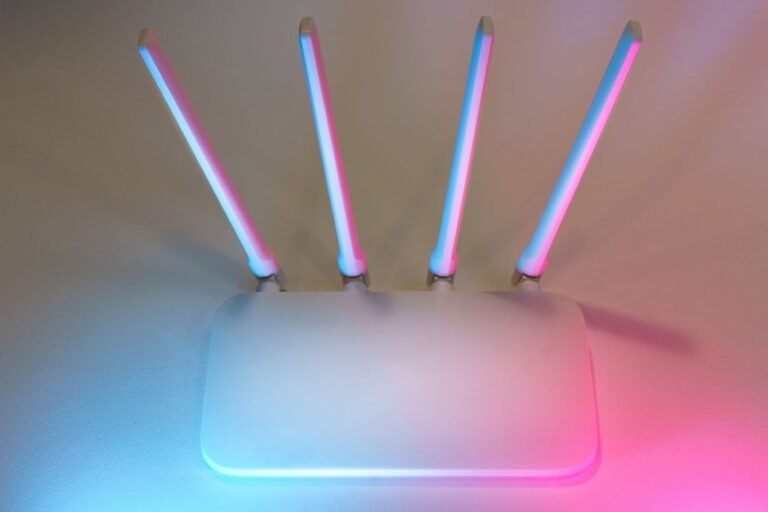
This section outlines essential configuration for modern routers: optimizing Wi‑Fi bands, configuring Quality of Service (QoS) to prioritize critical traffic, and implementing parental controls to manage content and usage. It discusses creative router lighting cues and monitoring for performance, while noting hidden admin panels for advanced tuning and secure access management; targets user freedom with concise, structured guidance.
Troubleshooting and Fine‑Tuning for Consistent Performance
After establishing baseline settings and monitoring from the prior section, this part focuses on troubleshooting steps and fine-tuning techniques to sustain stable performance.
The guidance emphasizes network security, router firmware updates, and proactive scanning for interference.
wifi optimization, device prioritization, and QoS adjustments align with resilient operation, while concise logs and repeatable checks ensure consistent behavior across diverse devices and environments.
Frequently Asked Questions
How Do I Update the Router’s Firmware for 168.141?
A firmware update involves accessing the router’s admin interface, selecting the firmware update option, and uploading the latest file; this process enhances performance and stability, while activating new security features and maintaining compatibility with connected devices.
Can I Enable Remote Management Securely on This Router?
Remote management can be enabled, but only with strict security measures. A truth: exposed interfaces invite risk. Use secure DNS, enforce strong password hygiene, disable unnecessary services, and limit remote access by IP to reduce exposure.
What Is the Default IP and Login for 168.141?
The default IP is 192.168.0.1, and the login details are admin with no password. Firmware update, remote management, factory reset, and LEDs status are available after secure configuration; privacy-conscious users should disable unnecessary features.
How Do I Reset to Factory Settings if Locked Out?
The reset procedure requires physical access to the device: locate the pinhole reset button, press and hold for 10–15 seconds, then release to perform a factory reset. Afterward, configure credentials anew to regain control.
Which LEDS Indicate a Healthy 168.141 Connection?
Healthy link indicators include solid green LEDs and a steady activity light; a strong signal strength is shown by consistent, uninterrupted links. In this context, a healthy 168.141 connection is reflected by these indicators rather than transient fluctuations.
Conclusion
The guide emphasizes a disciplined, methodical approach to securing and optimizing the 168.141 router. By locating the gateway, using strong credentials, and enforcing WPA2/3 with prudent guest access, users build a resilient foundation. Thoughtful Wi‑Fi band choice, QoS, and parental controls refine performance and safety. Regular firmware updates and secure admin practices sustain stability, while concise logs aid repeatable tasks. The resulting setup functions smoothly, like a well-tuned instrument, delivering reliable connectivity and calm network management.