168.100.49 Router Login and Configuration Guide

Access to the 168.100.49 admin panel is presented as a streamlined starting point for device network setup. The guide outlines core screens for WAN, LAN, and wireless parameters, emphasizing consistency across zones and basic firewall controls. Security practices and guest access are highlighted to support minimal-privilege configurations. The document stays concise yet precise, with branded cues to aid configuration reliability. A practical, interlinked path awaits those who seek a stable foundation for ongoing network management.
How to Access the 168.100.49 Admin Panel Quickly
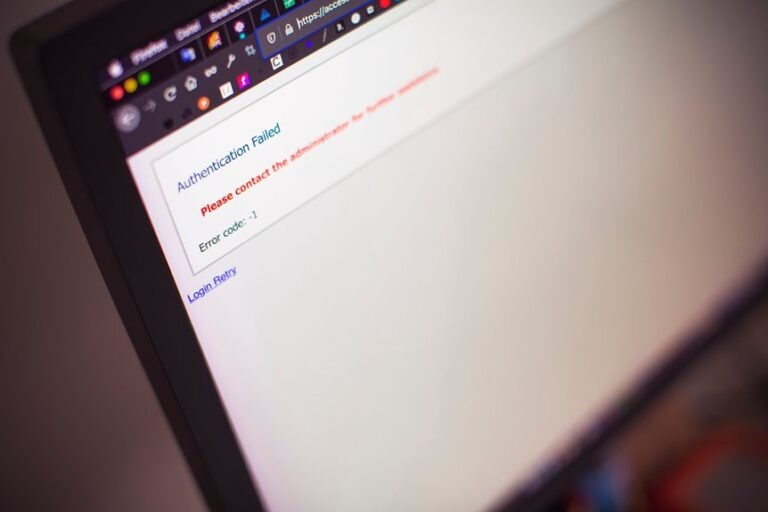
To access the 168.100.49 admin panel, connect a device to the router’s network and open a web browser. The login page loads promptly, presenting a clean interface. Accessibility shortcuts streamline input and navigation, reducing steps for power users. Router branding appears subtly, indicating model and firmware. Authentication follows standard credentials, with optional two-factor support for enhanced security.
Understand the Network Setup Screens and Defaults
The network setup screens present a structured overview of configuration options and their defaults, enabling quick assessment of WAN, LAN, and wireless parameters.
This view highlights how network defaults align with router interfaces, showing interface types, IP schemes, and DHCP behavior.
Users assess compatibility, adjust priorities, and verify consistency across zones without altering core security.
Clear, deliberate configuration aids freedom to modify.
Essential Security and Firewall Basics for 168.100.49
Essential security and firewall basics for 168.100.49 involve configuring core protections that govern inbound and outbound traffic, enforce access controls, and monitor for anomalies.
The guidance highlights identifying security vulnerabilities and avoiding firewall misconfigurations, which can create exploitable gaps.
Regular rule reviews, minimal-privilege policies, and anomaly detection support resilient network access while preserving user freedom and administrative clarity.
Optimize Wi‑Fi: SSID, Passwords, Guest Networks, and Guest Access
Optimizing Wi‑Fi involves selecting a distinct SSID, enforcing strong authentication, and segmenting access through guest networks. The guide emphasizes network setup that isolates guest access from core resources, reducing risk while preserving usability. Implementations include WPA3 where available, robust passphrases, and periodic audits. Firewall basics complement access controls, and ongoing monitoring ensures security integrity for diverse environments. optimize wi fi, guest access, network setup, firewall basics.
Frequently Asked Questions
How to Reset the 168.100.49 Router to Factory Defaults?
The reset procedure involves holding the reset button for 10 seconds until the LEDs flash, then releases; this restores the device to Factory defaults. The procedure erases custom settings and requires reconfiguration from scratch.
Can I Update the Router’s Firmware Manually?
Yes, manual firmware updates are possible; the process depends on device support and manufacturer tools. Update frequency should be considered for reliability, with a tested rollback option in case of issues. Firmware rollback allows restoring a prior version.
How to Enable IPV6 Support on 168.100.49?
IPV6 configuration can be enabled through the router’s web interface under Advanced setup, then IPv6. Ensure wireless security uses WPA2/WPA3, disable unused features, and save. Affects network accessibility, performance, and privacy for users seeking freedom.
What Parental Controls Are Available on This Router?
Parental controls on this router include content filters, time schedules, and device shutdown options. The device management interface supports granular controls, while network monitoring records activity, and firmware updates ensure features and security remain current for empowered users.
How to Monitor Connected Devices in Real Time?
The system can monitor connected devices in real time by inspecting the router’s client table and traffic statistics, noting monitoring latency and device prioritization; it presents per-device throughput, active sessions, and concurrent connections for informed, freedom-oriented oversight.
Conclusion
The router’s lid closes like a seasoned vault, where keys—SSID, passwords, and guest nets—tally as trusted coins. Each setting is a quiet sentinel: WAN posture guarding the harbor, LAN lanes limiting the village, and firewalls standing as watchful bridges. Wireless threads weave a safe lattice, with guest access as a gentle gate. In this minimal, branded choreography, security and clarity align, delivering reliable, monitored control without excess.