168.178.51 Router Admin Panel and WiFi Setup Guide

Accessing the 168.178.51 router admin page must occur from a trusted device on a secure network. Use official URLs, verify TLS, and disable unused services to reduce exposure. Change default credentials and implement a strong, unique Wi‑Fi password that is rotated regularly. Carefully choose SSIDs that avoid device specifics, enforce current security protocols, and maintain encrypted management interfaces with audit trails during updates. A disciplined approach reduces risk, while the next steps outline precise controls and practical fixes.
How to Safely Access the 168.178.51 Router Admin Page
Access to the 168.178.51 router admin page should be performed from a trusted device on a secure network.
The procedure emphasizes data privacy and verifiable firmware updates.
Access requires observing official URLs, disabling unused services, and employing strong session controls.
Documentation notes regular update checks, encrypted management interfaces, and audit trails to maintain integrity while preserving user autonomy and network resilience.
Change Default Credentials and Set a Strong Wi-Fi Password
To continue from securing access to the router admin page, the next step focuses on securing credentials: changing default login information and establishing a robust Wi-Fi password. The process emphasizes unique, strong credentials and regular rotation, reducing exposure risks.
Broadband budgeting considerations are integrated, while parental controls set boundaries. Clear authentication practices safeguard devices, data, and user autonomy without compromising freedom.
Customize Network Names and Security Settings for Reliable Coverage
Customizing network names and tightening security settings are essential steps for dependable coverage and ongoing risk management.
The guide outlines concise labeling of SSIDs to reflect purpose while avoiding disclosure of device specifics. It emphasizes unique, non-predictable networks and robust authentication.
Users should customize networks thoughtfully and strengthen security through updated protocols, strong passphrases, and regular credential reviews.
Troubleshooting Common Login and Connectivity Issues
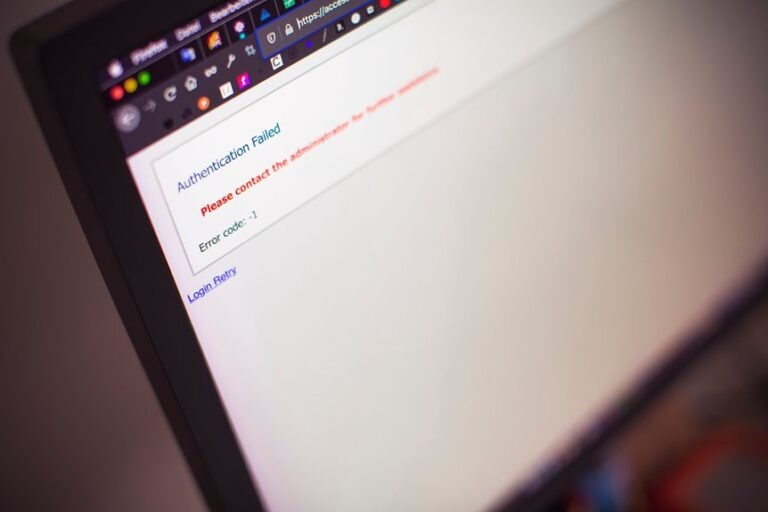
The guide proceeds from network naming and security refinements to address common login and connectivity issues, outlining methodical steps to verify device access and maintain secure connections. It assesses security vulnerabilities, confirms consistent device accessibility, and implements firmware checks, password hygiene, and authenticated wireless settings. Troubleshooting emphasizes verifiable logins, stable connections, and disciplined security practices without compromising user freedom.
Frequently Asked Questions
Can I Reset the Router to Factory Settings Remotely?
A remote reset to factory settings is not universally available; if supported, it requires authenticated access and secure channels. The system prioritizes safety, ensuring a verifiable remote reset, logging actions, and preventing unauthorized remote factory resets or compromise of factory settings.
Is There a Mobile App for Router Management?
A mobile app usage may exist depending on the device; some vendors offer mobile apps for router management. The evaluation emphasizes app features, security controls, and reliability, ensuring users retain freedom while maintaining rigorous, methodical configuration and monitoring.
How Do I Backup and Restore Router Configuration?
Clear and precise, they back up the router configuration, then restore via a verified file. The process follows a defined backup schedule, ensures restore validation, and remains security-focused—allowing users the freedom to manage settings confidently, autonomously.
What Parental Control Options Are Available on This Model?
Parental controls are available, enabling URL filtering, time schedules, and device bans; QoS prioritization ensures critical devices or applications receive bandwidth priority, while security-focused settings mitigate misuse. The model supports configurable profiles, logs, and admin-only access.
Can Guests Use a Separate Guest Wi-Fi Network?
Yes, guests may use a separate guest network, enabling isolated access. The system supports bandwidth sharing controls, allowing administrators to allocate or limit guest bandwidth, preserving network performance. Security-focused configuration ensures guest traffic remains segregated from main devices, maintaining freedom.
Conclusion
In careful, calculated cadence, concrete cybersecurity concerns characterize clear conclusions.
Prudent practitioners prioritize privacy, patch protocols, and persistent password protection, preserving pristine performance.
Systematic steps showcase safe setups: secure sessions, stringent session controls, and solidized safeguards.
Diligent diagnostics detect dissonance, directing decisive debugging, dependable downtime avoidance.
Rigorous routines refine reliability, reinforcing robust router resilience, reinforcing restricted access, and renewing rigorous renewal reviews.
Clearly coordinated, consistently controlled, the security-centered sequence stays steadfast, safeguarding connectivity.